Meditation sounds like it should be complicated, but the version most people actually need is simple: sit somewhere reasonably comfortable, pay attention to your breath, and gently come back to it whenever your mind wanders. That's genuinely most of it — and research suggests even this simple version can meaningfully ease everyday stress.
What You Need to Start Meditating
You don't need an app, a cushion, incense, or twenty minutes of uninterrupted silence. You need a chair or a spot on the floor, a few minutes where you won't be interrupted, and a willingness to feel a bit awkward for the first few tries — that awkwardness fades quickly.
Pick a time of day you can actually stick to. Mornings work well for a lot of people because the mind hasn't filled up with the day's noise yet, but there's no rule that says it has to be morning. Consistency matters more than timing.
How to Sit When You Meditate
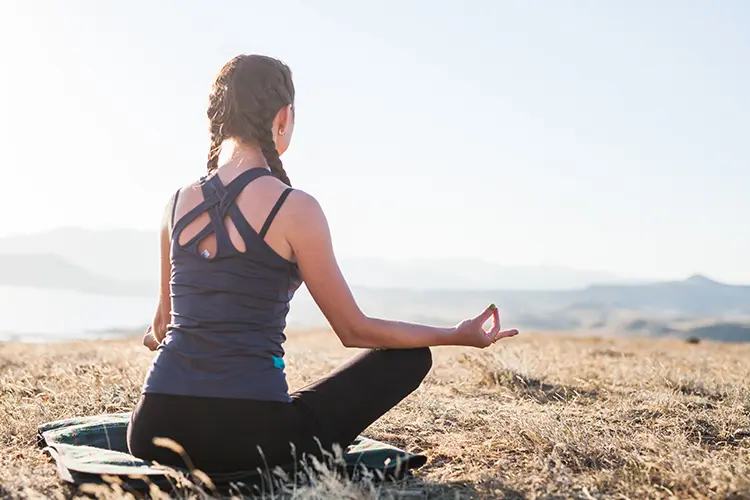
Sit somewhere your back can stay reasonably upright without straining — a chair with your feet flat on the floor works just as well as cross-legged on a cushion. Rest your hands on your knees or in your lap. Let your shoulders drop. Close your eyes, or let your gaze fall softly a few feet in front of you if closing them feels strange.
The posture isn't sacred. It exists to help you stay alert without being uncomfortable enough to distract you. If your hip or knee complains about sitting on the floor, use a chair. Nobody is grading your form.
Breathing Basics for Beginner Meditation
Breathe normally — there's no need to force slow, deep breaths unless that's genuinely comfortable for you. Simply notice the sensation of breathing: the air moving in and out, your chest or belly rising and falling. That's the anchor you'll keep returning to.
Within a few seconds, your mind will probably wander off to your to-do list, a conversation from earlier, or nothing in particular. That's not a failure — it's the entire practice. The moment you notice you've wandered, you've already done the hard part. Just bring your attention back to the breath, without scolding yourself for drifting.
"The goal isn't an empty mind. It's noticing when your mind has wandered, and gently coming back — over and over, for as long as you sit."
A 5-Minute Beginner Meditation Routine
If you'd rather follow steps than wing it, here's a straightforward way to spend your first few sessions:
- Sit comfortably and set a timer for five minutes, so you're not checking the clock
- Close your eyes or soften your gaze, and take three slightly slower breaths to settle in
- Let your breathing return to normal and simply notice it, without trying to change it
- When your mind wanders — and it will — notice it without judgement, then return to the breath
- When the timer goes off, open your eyes and take a moment before standing up
How Long Until Meditation Starts Working
Most people notice a small difference — feeling slightly calmer, slightly less reactive — within the first couple of weeks of meditating most days. The bigger, more durable changes (better focus, steadier mood, improved sleep) tend to show up over a few months of regular practice, the same way fitness builds gradually rather than overnight.
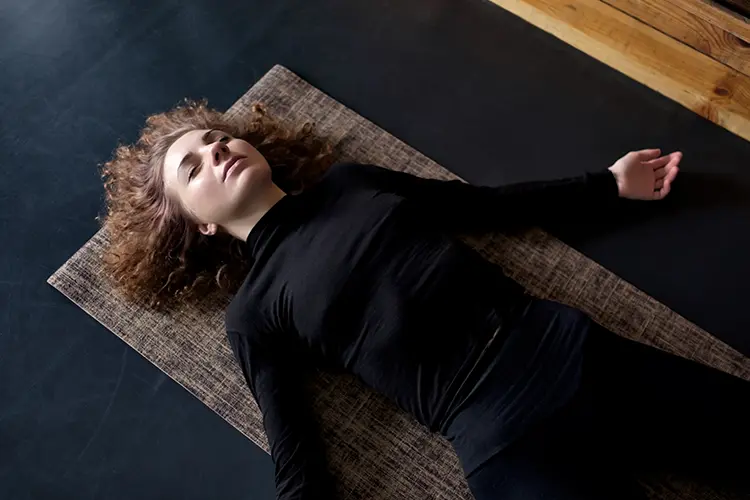
If you're hoping meditation will help with sleep specifically, it's worth comparing it to a more targeted technique — yoga nidra is often more effective for switching off at night than seated meditation alone.
What the Research Actually Says
A widely cited 2014 meta-analysis published in JAMA Internal Medicine reviewed dozens of randomised controlled trials and found that meditation programmes were associated with small-to-moderate reductions in anxiety, depression, and general psychological stress. It's worth being honest about the limits too: the same review found meditation wasn't clearly better than other active treatments like exercise, and evidence for benefits like improved sleep or attention was weaker. In short, meditation looks like a genuinely useful tool for everyday stress — not a miracle fix for everything. You can read the full review via PubMed.
Trying to help a teenager with exam stress specifically? We've got a guide tailored to that.
Meditation for Exam StressFrequently Asked Questions
Start with five minutes. It's enough to build the habit without feeling like a chore, and you can extend the time once sitting still for five minutes feels easy.
That's completely normal, and it happens to experienced meditators too. The practice isn't about having an empty mind — it's about noticing when your attention has wandered and gently bringing it back, as many times as needed.
No. A chair works just as well as a cushion on the floor. What matters is that your back is reasonably upright and you're comfortable enough to stay still for a few minutes.
Whatever time you'll actually stick to. Many people prefer mornings because the mind is calmer before the day starts, but a consistent evening practice works just as well.
Many people find regular meditation helps them manage everyday anxiety and stress. It isn't a replacement for professional support if you're dealing with a diagnosed anxiety condition, but it can be a useful addition alongside it.
Mindfulness Matters
Plain-English guides to meditation, yoga, and energy healing — written for people who are curious but new, with no jargon and no pressure to "get it right" straight away.